November 3, 2026
What Does REO Foreclosure Mean Naples FL? 2026 Guide
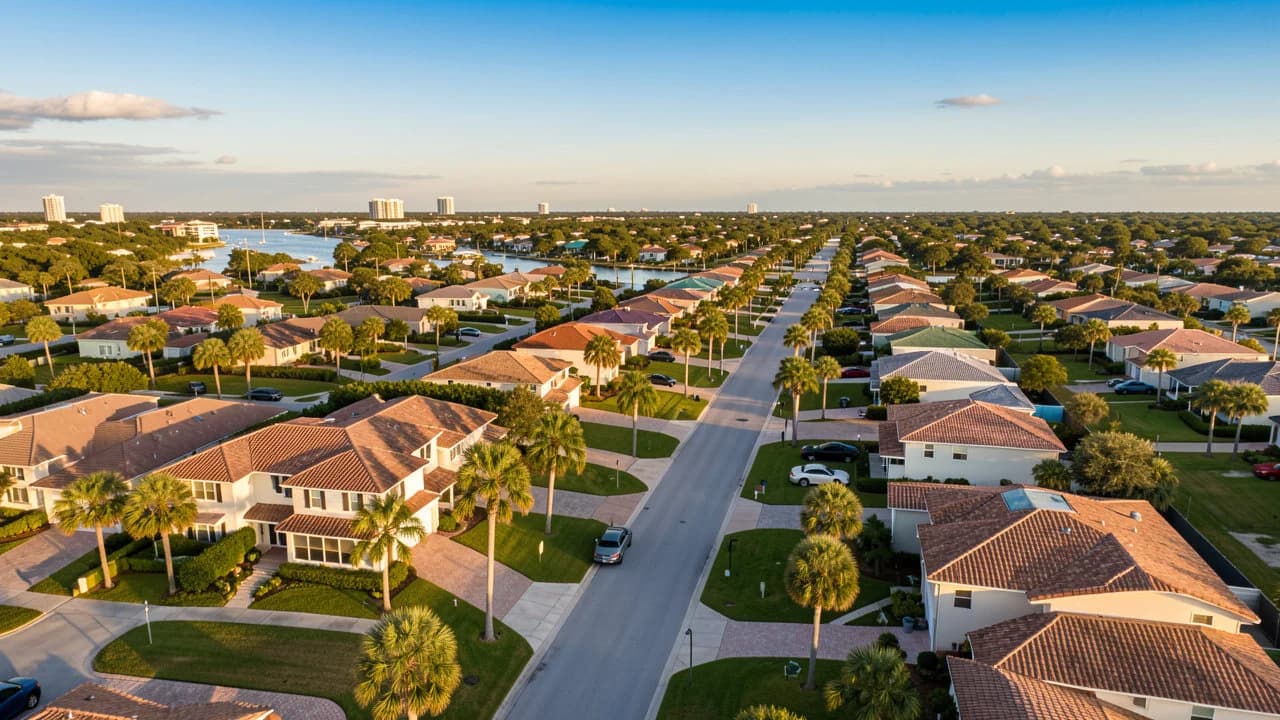
In Collier County, once a lender wins a foreclosure judgment, the Clerk of Courts generally schedules the auction no sooner than 20 days and no later than 35 days later, and if no outside bidder beats the bank, that Naples home becomes an REO.
Key Takeaways
- The short answer to what does REO foreclosure mean Naples FL: REO means “Real Estate Owned.” It is a home the lender took back after no one outbid it at a Collier County auction, which is usually held 20 to 35 days after judgment.
- Florida requires a court lawsuit before any foreclosure sale. That gives homeowners time to act before a home ever becomes bank-owned.
- REOs sell as-is. Budget for inspections, repairs, and a full title and lien search before you commit.
- Florida law caps the past-due HOA and condo fees a foreclosing lender owes. That cap protects the bank, not you.
Market data current as of October 2026.
Maybe you’re behind on your mortgage and the word “REO” keeps you up at night. Or maybe you’re a buyer who wants a bank-owned home in Naples without getting burned. Either way, you’re in the right place, and we’ll take this one stage at a time.
What Does REO Foreclosure Mean in Naples, FL?
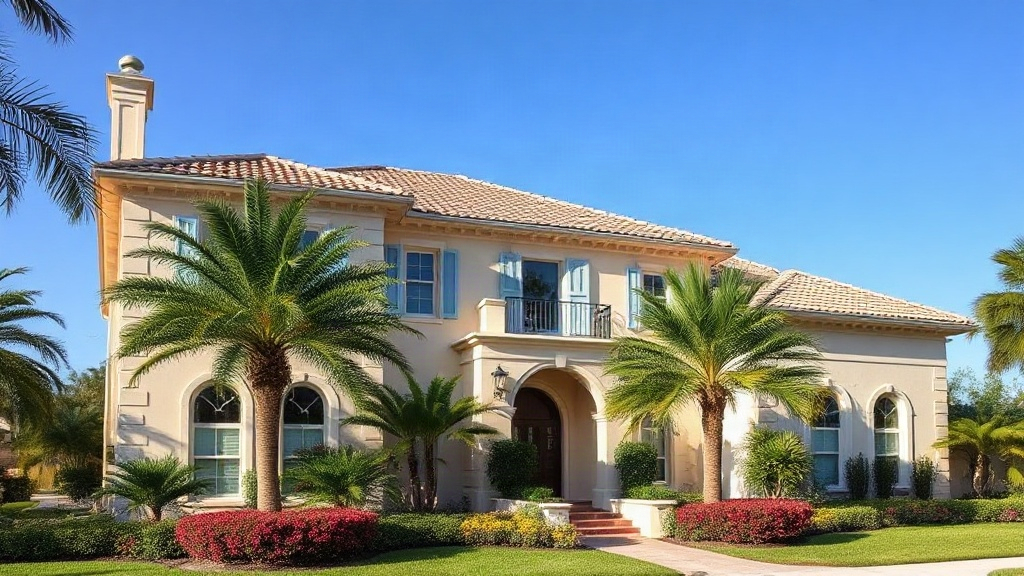

The Collier County Clerk’s foreclosure page cites Florida Statute 45.031, which requires every foreclosure sale to be advertised once a week for two consecutive weeks. An REO is what happens when that advertised sale ends with no buyer except the bank. The property then becomes “Real Estate Owned” by the lender.
At the auction, the lender usually places what’s called a credit bid. That simply means it bids with the debt it is already owed instead of new cash. If no investor bids higher, the bank wins its own auction.
This is more common than you know. Banks are lenders, not landlords, so they don’t want to hold houses for long. Most REO foreclosure homes Naples FL 2026 buyers come across have been cleaned out, rekeyed, and listed on the MLS through a local agent.
Here are the three terms you’ll hear most, in plain language:
- Pre-foreclosure: The homeowner is behind on payments, but no sale has happened. The owner still holds title and still has the most choices.
- Foreclosure auction: This is the court-ordered public sale run through the Collier County Clerk. Bidders typically pay quickly and often can’t see inside the home.
- REO (bank-owned): The auction produced no outside winner, so the lender now owns the home and sells it like a regular listing.
An REO (Real Estate Owned) property in Naples, Florida, is a home that reverted to the lender after a Collier County foreclosure auction drew no winning outside bid. That timing matters. Florida Statute 45.031 requires two consecutive weeks of published notice before any sale, so REO status comes only at the very end of a long, public, court-supervised process.
How Does a Home Become an REO in Collier County? The Florida Foreclosure Timeline
According to the Collier County Clerk of Courts, the foreclosure auction is generally set 20 to 35 days after the judgment. A lot happens before a judge ever signs that judgment, though. Florida is a judicial foreclosure state.
That means a lender can’t simply take a house. It has to file a lawsuit in circuit court and win. In Collier County, those cases run through the Clerk’s Civil Department at 3315 Tamiami Trail East in Naples.
- Missed payments. Federal mortgage servicing rules generally prevent a lender from making the first foreclosure filing until a borrower is more than 120 days behind.
- Breach or demand letter. Many people call this the Notice of Default. It tells you how much you owe to catch up and the deadline to do it.
- Lawsuit and lis pendens. A lis pendens is a public notice recorded with the county. It tells anyone searching records that a lawsuit affects this property.
- Summons. Once you’re served, you typically have 20 days to respond to the court. Please don’t ignore this step.
- Final judgment. If the lender wins, the judge enters a judgment of foreclosure.
- Sale date and notice. The Clerk sets the auction. The notice must run in a local newspaper for two weeks, with the second notice at least 5 days before the sale.
- Auction. The Collier County Clerk requires the notice of sale and proof of publication to be filed no later than 24 hours before the auction. If the bank wins, the home becomes an REO.
Market Snapshot
Under Florida Statute 45.031, the second newspaper notice of a Collier County foreclosure sale must run at least 5 days before the auction, so a published notice means the window is short.
If you haven’t been served with a lawsuit yet, take a breath. You’re still in pre-foreclosure, the stage with the most choices on the table. Florida also generally lets homeowners redeem the property by paying the full judgment amount until the Clerk files the certificate of sale.
“In Florida, a bank can’t take a home without winning in court, so every REO in Naples started as a lawsuit that sat on the public record for months.”
A Naples home typically becomes an REO only after a Florida judicial foreclosure runs its full course in Collier County Circuit Court. That course includes the lawsuit, the lis pendens, a final judgment, and an auction the Clerk schedules 20 to 35 days later. Homeowners usually have months of options first.
What Is the Difference Between an REO and a Foreclosure in Naples?
The Collier County Clerk requires a foreclosure auction’s notice of sale to be filed at least 24 hours before the sale. An REO, by contrast, sells later through normal listing channels. That one difference changes almost everything for a buyer.
When people compare bank owned homes vs foreclosures Naples FL listings, they’re really comparing two stages of the same story. At auction, you’re buying through the court process, often with cash and no look inside. With an REO, the bank is the seller, and you can usually inspect, negotiate, and finance.
| Factor | Short Sale (Pre-Foreclosure) | Foreclosure Auction | REO (Bank-Owned) |
|---|---|---|---|
| Who sells | Homeowner, with lender approval | Court process via the Clerk | The lender |
| Inspection | Usually allowed | Usually not possible inside | Usually allowed |
| Financing | Mortgage or cash | Typically cash, paid quickly | Mortgage or cash |
| Timeline | Slow; lender review can take months | Set 20 to 35 days after judgment | Similar to a regular sale |
| Title risk | Moderate; liens addressed in approval | Highest; bidder must research | Lower, but always verify |
| Condition | Often lived in until closing | Unknown | As-is, often vacant |
Short Sale
A short sale happens when the lender agrees to accept less than the loan balance. It’s slower. For a struggling homeowner, though, it can mean walking away on your own terms instead of waiting for a sale date.
Foreclosure Auction
Auctions reward people who already know how to research court files and lien records. You often bid sight unseen. If you miss a lien or a title issue, the cost of that mistake is usually yours alone.
REO (Bank-Owned)
REOs are the most familiar way to buy distressed property. You get a listing agent, an inspection period, and room to use a mortgage. The trade-off is that the bank won’t make repairs or explain the home’s history.
Are REO Properties a Good Deal in Naples?
ATTOM reported in April 2026 that home sales profits fell below 45 percent for the first time in five years. Thinner margins leave everyone less cushion. On an REO, that means the price has to make sense after repairs, not just on the listing sheet.
Here’s the honest truth. Banks are not giving houses away. Lenders typically price REOs using broker opinions and appraisals, then adjust based on showings and offers, so a fairly priced REO in good shape can draw multiple bids.
Location shapes the deal, too. Inland areas like Golden Gate Estates tend to offer more variety in bank-owned inventory, from larger lots to homes needing real work. In coastal enclaves like Old Naples, distressed listings are less common, and condition, flood history, and condo rules often matter more than the discount.
Long-range forecasts, like Norada Real Estate Investments’ September 2026 outlook for the Florida housing market through 2030, can give helpful context. Still, no forecast replaces a property-by-property analysis. Run your own numbers every time.
- Pull recent sold comparables, not just active listings, within the same neighborhood.
- Get contractor estimates during your inspection period, not after.
- Price in insurance, flood coverage, and association dues before you call it a bargain.
Hidden Costs of Naples REOs: HOA Fees, Liens, and As-Is Risks
Florida Statutes 718.116 (condos) and 720.3085 (HOAs) generally limit a foreclosing first mortgage lender’s liability for past-due assessments. The cap is usually the lesser of 12 months of dues or 1 percent of the original mortgage debt. That safe harbor protects the lender, not the buyer who comes next.
So what does that mean for you? Before closing, ask for an estoppel certificate, a document from the association that states exactly what’s owed on the unit. Many Naples communities have a master association and a sub-association, so you may need one from each.
Older Old Naples condo buildings bring their own questions. Recent Florida condo safety laws require milestone inspections and reserve studies for many older buildings, which can lead to special assessments. Ask for the association’s latest reports before you sign.
- Municipal liens: Code enforcement fines, unpaid utility bills, or open permits may not show up in a basic title search. Order a municipal lien search from the City of Naples or Collier County, depending on the address.
- Title insurance: Always buy an owner’s policy. It protects you if a title problem surfaces after closing.
- Flood and storm history: Hurricane Ian pushed storm surge into parts of Old Naples in 2022. Ask for an elevation certificate and look closely for water damage.
- Insurance inspections: A four-point inspection and wind mitigation report can affect whether you can insure the home at all.
Important: Request an estoppel certificate from every association, including the master association, before your inspection period ends.
Edis’s Take
“In my 17+ years helping SWFL families, the REO surprises that hurt most weren’t the roof or the AC. They were association balances and special assessments nobody checked until the week of closing. Near Third Street South and Fifth Avenue South, I always pull the condo documents first, because one building’s reserves can change the whole deal.”
Edis Arevalo, Managing Broker · 17 years SWFL real estate
In Collier County, a buyer of a bank-owned condo or HOA home should confirm all association balances through an estoppel certificate before closing. Florida Statutes 718.116 and 720.3085 limit only the foreclosing lender’s liability for past dues. Any special assessments, municipal liens, or storm repairs can still become the new owner’s responsibility after the sale.
How to Buy REO Foreclosure Homes Naples FL: Step by Step
The Collier County Clerk’s Civil Department, reachable at (239) 252-2646, handles foreclosure case filings. Once a home becomes an REO, though, you buy it much like a regular listing. Here is how to buy REO foreclosure homes Naples FL buyers can actually close on.
Start with where the inventory lives. Most REO foreclosure properties Collier County FL buyers find are listed on the local MLS, and you can also search government-related sites directly.
- MLS: Your agent can set alerts for bank-owned listings by ZIP code.
- Fannie Mae HomePath: Homes owned by Fannie Mae after foreclosure.
- Freddie Mac HomeSteps: Freddie Mac’s inventory of foreclosed homes.
- HUD Home Store: FHA-insured homes HUD took back, often with owner-occupant priority periods.
- Get pre-approved or gather proof of funds. Banks usually won’t review an offer without one.
- Hire a local agent with REO experience. Bank addenda, deadlines, and counteroffers work differently than a typical sale.
- Research the history. The Collier County Clerk’s public records can show the foreclosure case and any recorded liens.
- Tour, then pull comparables. Base your price on solds, repairs, and carrying costs.
- Submit your offer with the bank’s forms. Lenders often require their own addenda, which may override parts of the standard contract.
- Wait for bank review. Responses can take days or weeks, depending on the lender.
- Inspect, verify title, and get estoppels. Use every day of your inspection period.
- Close with title insurance. Confirm the deed type the bank is giving you before closing day.
Looking near the water? REO foreclosure properties Old Naples FL are rare, so the steps above matter even more when one appears. For a wider look at local inventory, our 2026 guide to foreclosure homes in Naples covers more neighborhoods.
Financing vs. Cash: How to Submit a Winning Offer on a Naples REO
Florida Housing Finance’s Homebuyer Program requires a minimum 640 credit score and offers 30-year fixed-rate first mortgages through approved, participating lenders. Buyers must also complete approved homebuyer education. For first-time buyers eyeing a modest REO, it’s worth asking a participating lender about it.
As a former mortgage loan originator, I’ve seen this situation before. A buyer finds the perfect bank-owned home, then learns the loan type doesn’t fit the property’s condition. Matching the loan to the house up front saves heartbreak.
- Conventional: Flexible, but the home generally needs to be livable and insurable.
- FHA: Lower down payment options, with stricter property condition standards.
- FHA 203(k): Rolls the cost of repairs into the mortgage. Good for REOs that need real work.
- VA: A strong option for eligible veterans, with its own property standards.
- Jumbo: Often needed in Old Naples, where prices can exceed conforming loan limits.
- Cash: Fastest and often preferred by banks, but keep reserves for repairs.
To make your offer stronger, include your pre-approval or proof of funds, a clean earnest money deposit, and a realistic closing date. Keep it simple. Banks often favor certainty over a slightly higher price with complicated terms.
For Naples buyers, the best REO financing depends on the home’s condition. FHA and conventional loans generally require a livable, insurable property. An FHA 203(k) loan can fund repairs inside the mortgage, and Florida Housing Finance’s program requires a 640 minimum credit score. Cash offers close fastest, but every buyer should hold back repair reserves.
Behind on Payments? How to Keep Your Naples Home From Becoming an REO
Federal servicing rules generally keep a lender from filing a foreclosure until you’re more than 120 days behind. After a judgment, the Collier County Clerk sets the auction just 20 to 35 days out. The time before that judgment is your strongest window.
You have more options than you think. I’ve helped hundreds of families in exactly this situation, and the ones who called early almost always had more choices.
- Reinstatement: Pay the past-due amount plus fees to bring the loan current.
- Repayment plan: Spread the missed amount over several months on top of your regular payment.
- Loan modification: The lender changes the loan terms, such as the rate or length, to lower your payment.
- Sell before a judgment: If you have equity, a traditional sale may let you keep it.
- Short sale: The lender accepts less than you owe. It can help you avoid a foreclosure judgment.
- Deed in lieu: You sign the home back to the lender voluntarily, often with less impact than a completed foreclosure.
Waiting rarely helps. Every month adds late fees and legal costs, and each one can narrow your choices. Be cautious of anyone who asks for upfront fees to “save” your home, and check credentials before you sign anything.
My goal is simple: make sure you feel confident moving forward. Whether you’re protecting your own home or buying someone else’s, I’ll review your situation honestly. If you invest across the river, my Fort Myers REO investor guide covers Lee County too.
Frequently Asked Questions
What are the disadvantages of REO?
REO homes are sold as-is, so the bank won’t make repairs or share the home’s history. Many sit vacant, which can hide plumbing, roof, or mold problems. Banks also use their own contract addenda, may respond slowly, and can still leave buyers facing association assessments or municipal liens that need checking before closing.
What is the difference between an REO and a foreclosure?
A foreclosure is the court process a lender uses to take back a home after missed payments. In Collier County, it ends with a public auction set 20 to 35 days after judgment. An REO is the result when nobody outbids the lender, so the bank owns the home and lists it for sale.
Are REO properties a good deal?
Sometimes, but not automatically. Banks price REOs using appraisals and broker opinions, so many sell near market value once condition is factored in. A good deal depends on accurate comparables, realistic repair estimates, insurance and flood costs, and association balances. In Naples, location and condition often matter more than the discount itself.
How do REO foreclosures work?
In Florida, the lender sues in circuit court, wins a judgment, and the Clerk schedules an auction. If no outside bidder beats the bank’s credit bid, the lender takes title. The bank then cleans the home, hires a listing agent, and sells it on the MLS, where buyers can inspect and finance.
Ready to Talk
Work With a Local Naples Expert
Edis Arevalo has 17+ years in Southwest Florida real estate. Free consultation, no pressure, just straight answers about your situation.
Have questions about your situation?
Edis Arevalo offers free, confidential consultations for Southwest Florida homeowners facing foreclosure or considering a short sale.
Call (239) 276-9996 for a free consultation →Related Articles
November 11, 2026
What Does REO Foreclosure Mean Sanibel FL? Guía 2026
What does REO foreclosure mean Sanibel FL? Qué pasa cuando el banco se queda con la casa, sus opciones antes de la subasta y la regla del 50% de FEMA en la isla.
November 9, 2026
Pre Foreclosure Homes Near Me Estero FL: Guía Clara 2026
Pre foreclosure homes near me Estero FL: cómo encontrarlas en Lee County, el plazo de 20 a 35 días hasta la subasta y riesgos de HOA. Guía de Edis Arevalo.

November 9, 2026
Foreclosure Auctions Near Me Lehigh Acres FL: 2026 Guide
Foreclosure auctions near me Lehigh Acres FL: Lee County sales run online all week. Learn the 20 to 35 day timeline, bidding steps, and financing options.

Get your free consultation
No judgment. No pressure. Just honest answers from someone who's done this for 17 years.
Private and confidential. Never shared. Edis responds within 24 hours.
By submitting this form, you consent to receive marketing communications from Edis Arevalo, Lifestyle & Luxury Living LLC, including automated calls, texts, and emails. Consent is not a condition of purchasing any products or services. You may opt out at any time. To opt out from texts, reply STOP. Message and data rates may apply.